
Drones
Drone Swarms Are Rewriting Ground Surveillance
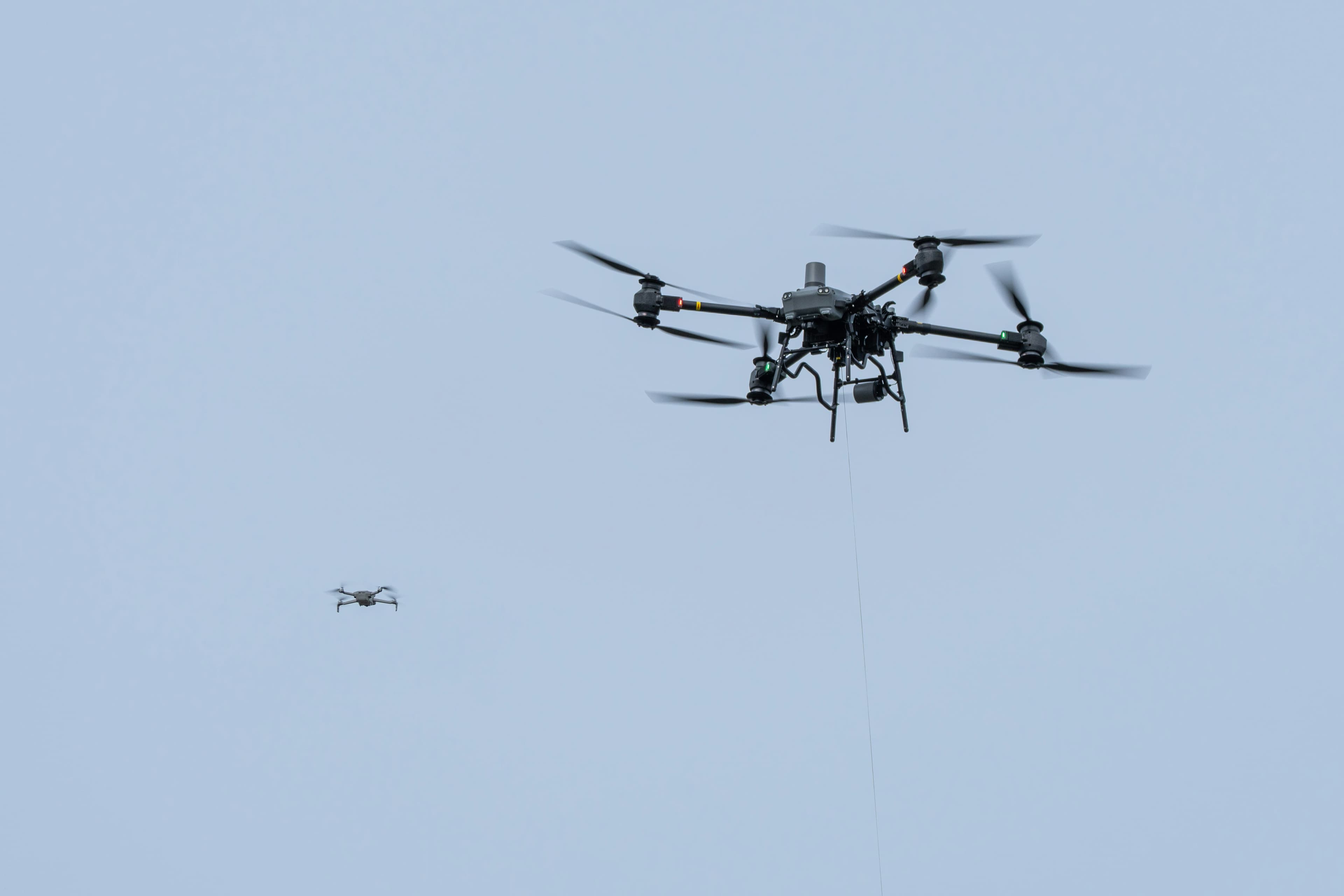
The surveillance problem is no longer just putting a better camera in the sky. It is coordinating many low-cost aircraft so operators can understand change across terrain in real time.
Key takeaways
- Multi-agent drone systems can search, track, and hand off targets across a monitored area.
- The operator experience should compress video into task-level alerts, confidence, and recommended next actions.
- Countries facing border pressure, critical infrastructure risk, or broad terrain coverage needs will prioritize persistent aerial awareness.
Persistent coverage changes the mission
A single drone is useful for inspection. A coordinated group of drones is useful for awareness. In border regions, ports, energy sites, air bases, and disaster zones, the problem is not a single point of interest. It is detecting movement, classifying risk, and maintaining custody as conditions change.
Research on UAV swarming for ground surveillance shows why multi-agent coordination matters: search, acquisition, and continuous tracking become a distributed task rather than a pilot manually steering one camera.
The product is the command layer
The value is not only the aircraft. It is the command layer that turns many aircraft into one coherent sensing system. That layer assigns search regions, avoids duplication, handles degraded links, and tells the operator what changed.
For national security customers, the key buying need is decision speed. They want fewer blind spots, faster confirmation, and a path from detection to response without overwhelming analysts with raw video.
Autonomy should stay accountable
Surveillance autonomy must be explainable. Operators need to see why an object was flagged, which drone observed it, how confidence changed, and what the system recommends next. That audit trail is essential in civilian security and defense contexts alike.
This is where robotics companies can differentiate: not by promising fully autonomous everything, but by giving commanders a reliable human-supervised system with clear state, constraints, and escalation paths.